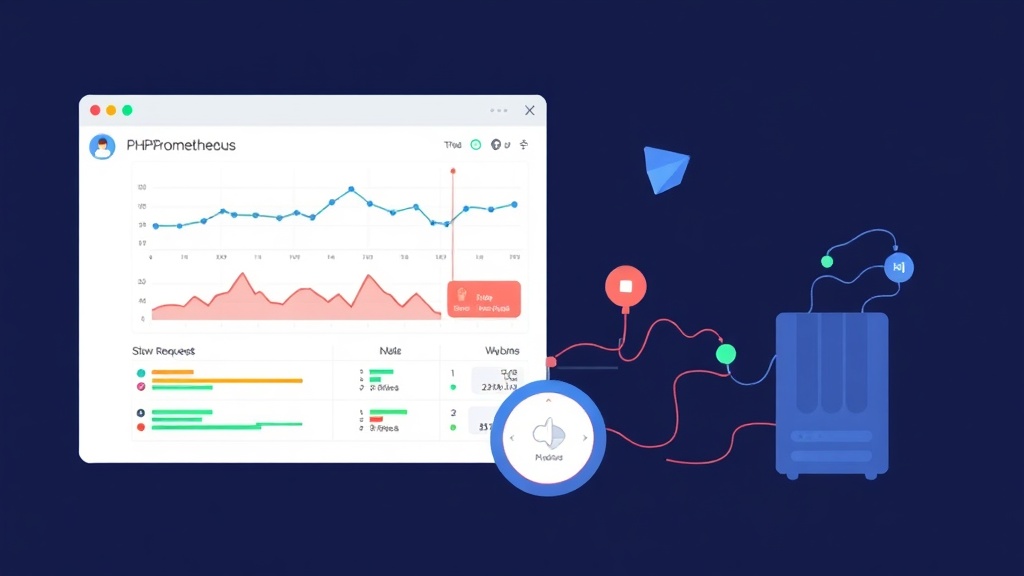
Stop guessing why your Python code is slow. This guide shows you how to use cProfile and Py-Spy to pinpoint bottlenecks and optimize performance based on real-world experience.
Optimizing Docker application performance is an essential skill. This article provides detailed guidance on using `docker stats` and cAdvisor to monitor container CPU and RAM, helping you effectively identify and resolve performance issues.
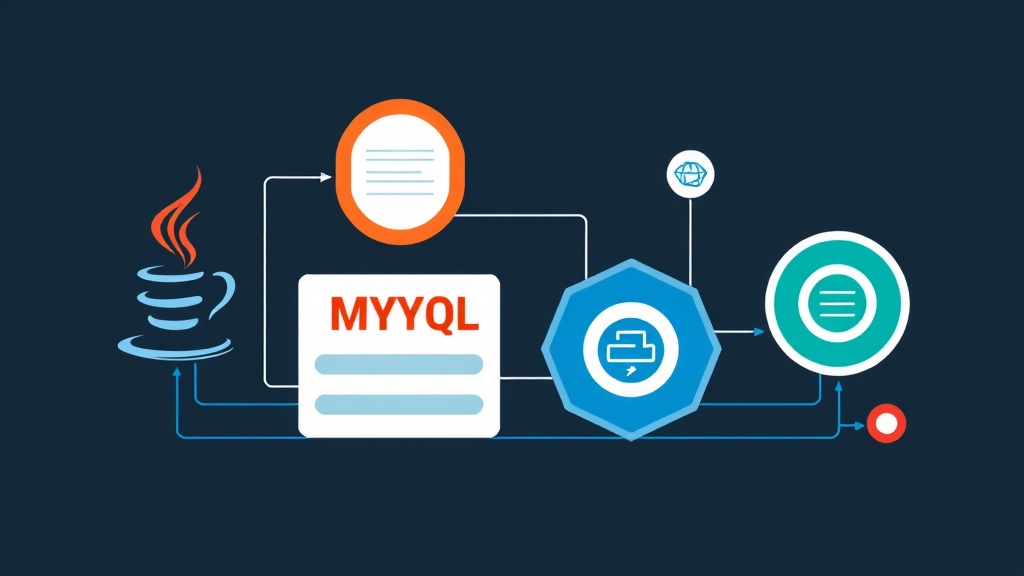
Search functionality is vital for many applications, but `LIKE` often leads to poor performance. This article guides you on using MySQL Full-Text Search to build super-fast, effective search with relevance ranking directly within your database.
Learn how to use EXPLAIN ANALYZE in PostgreSQL to read execution plans, analyze slow queries, and optimize performance with the right indexes. This guide goes from a 5-minute quick start to advanced techniques like covering indexes, composite indexes, and auto_explain.
Six months managing an 8-host ESXi VMware cluster: choosing the right disk adapter (PVSCSI), network adapter (VMXNET3), controlling the balloon driver, handling long snapshot chains, and monitoring with esxtop. A practical checklist that brought CPU ready time down from 8% to under 2%.
A guide to using iperf3 to measure real-world bandwidth between two Linux servers, detect packet loss and jitter with UDP mode, and write time-based monitoring scripts to catch intermittent issues. Includes comparisons with speedtest-cli and netperf to help you pick the right tool for each scenario.
A guide to installing and configuring DNF plugins on Fedora to speed up package downloads: enabling fastestmirror, parallel downloads, deltarpm, and optimizing /etc/dnf/dnf.conf. Ready to apply in under 5 minutes, suitable for both dev machines and servers.
A guide to installing and configuring PgBouncer to address connection overhead in PostgreSQL. Real-world experience after 6 months in production: server connections reduced from 180 to 25, API response time improved from 800ms to under 300ms.
When a Django server starts timing out under heavy traffic, the culprit is often a database overwhelmed by repeated identical queries. This guide covers installing Redis on Linux, the essential commands you need to know, and how to integrate a cache layer into Python to immediately reduce database load.